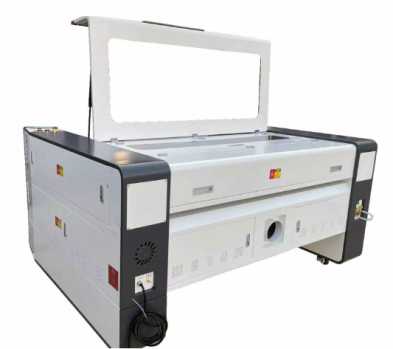
Print & Finishing Solutions supplies laser engraving equipment for engraved signage, awards, promotional products, serialized parts, prototypes, and cut components. Start with the substrate: CO2 systems engrave and cut acrylic, wood, paper, textiles, leather, and sign laminate. MOPA fiber systems mark bare metals and selected industrial plastics. Before setting a production target, compare the work area, laser power, part height, setup, exhaust requirements, rotary support, and local service coverage.
Commercial laser engraving equipment for print shops and in-plants
-
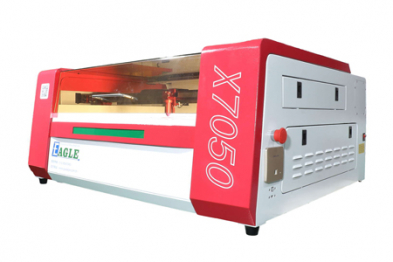
Eagle X-7050 Desktop Laser Engraving Machine
GM-EAG-X7050
The X-7050 desktop laser engraving machine, with 27.5″ x 19.5″ (700 x 500mm) working area, offers a portable desktop solution for high quality engraving and cutting of acrylics, cardboard, wood, textiles, two-color sign laminate, stones and much more. Eagle laser machines are the most robust, accurate, and reliable on the market.
• Portable size
• Motorized Working Table and Front-Door Table Access
• Automatic Focusing > Learn More -
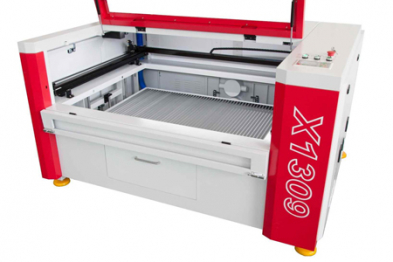
Eagle X-1309 CO2 Laser Cutting Machine
GM-EAG-X1309
The X-1309 CO2 laser cutting machine, with 51″ x 35″ (1300 x 900mm) working area, features a powered up and down working table with 8″ (200mm) adjustable space, offers an economical solution for general purpose, high quality cutting and engraving of acrylics, cardboard, wood, textiles, two-color sign laminate, stone, and much more. Eagle laser machines are the most robust, accurate, and reliable on the market.
• Full Pass-Through Capability
• Robust, High-Precision Slides
• Superior Mirrors and Mirror Mounts > Learn More -
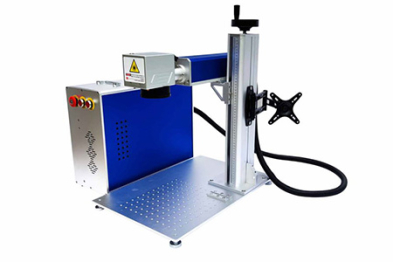
Eagle FiberMark F2 Laser Marking Machine
GM-EAG-FMF2
The F2 offers a low-cost, high-quality solution for businesses transitioning from more traditional means of engraving, etching, and surface marking all types of metal, stone, and tile. Commonly used by custom awards and serialized part manufacturers alike, the open working area design and lightning-quick galvo system offers a cost-effective and highly efficient solution to all your etching and engraving needs.
• Focusable red dot indicators
• Adjustable marking area
• Visible red dot laser tracing > Learn More -
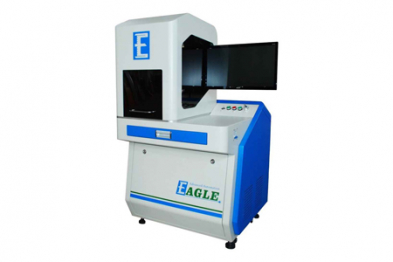
Eagle FiberMark F1 Laser Marking Machine
GM-EAG-FMF1
The FiberMark F1 laser marking machine, which is an all-in-one, plug and play, and extremely fast galvo marking system, offers an economical solution for fast and high quality laser marking of metal, plastics and more. Eagle laser machines are the most robust, accurate, and reliable on the market.
• All-In-One Design
• Adjustable Marking Area
• Rotary Unit > Learn More -

Eagle H-1610 Laser Cutting Machine
GM-EAG-H1610The H-1610 CO2 laser cutting machine, with 63″ x 39″ working area, fixed working table, offers an economical solution for 60″ sheet material cutting and engraving of acrylics, cardboard, wood, textiles, two-color sign laminate, stone, and much more. Eagle laser machines are the most robust, accurate, and reliable on the market.
• Camera tracing
• Air assist mechanism
• Front panel display and controls > Learn More