Print & Finishing Solution’s (PFS) provides two distinct technology paths: Digital Die Cutters for on-demand, complex shape cutting without tooling, and Rotary Die Cutters for high-speed, repetitive production of standard shapes.
Die Cutting Technology Comparison
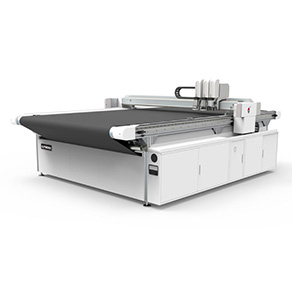
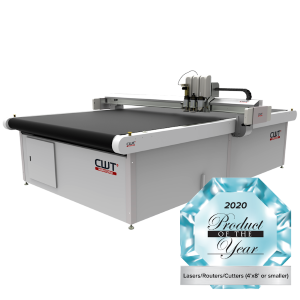
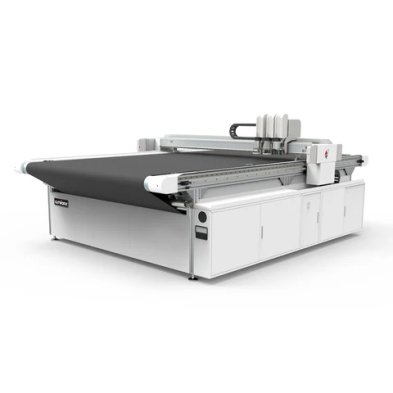
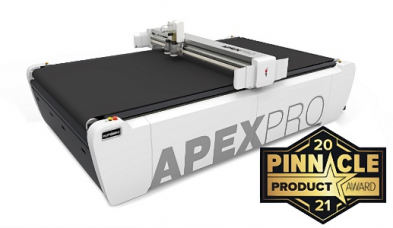
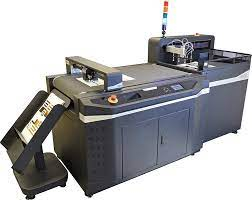
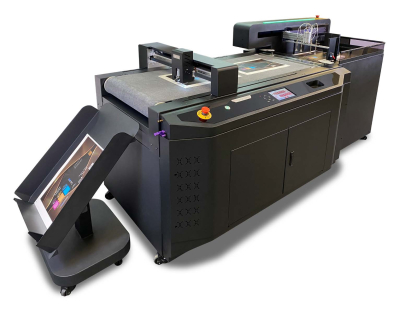
1. Digital Flatbed Die Cutters (Tool-Free Versatility) Digital cutters utilize interchangeable heads to cut, crease, and score directly from a digital file, making them ideal for packaging prototypes and short-run labels.
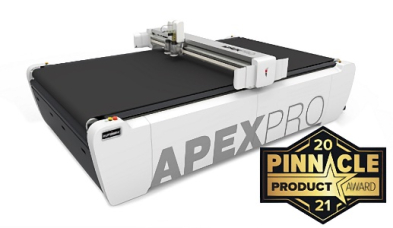
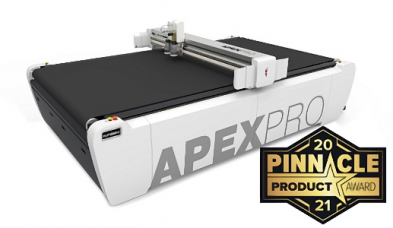
- Cutworx Eclipse Series: The Eclipse 1007 features five tool positions, including an oscillating tool and creasing wheel, to process materials up to 16mm thick at 47.2"/sec.
- Morgana Digi-Die: Engineered specifically for the digital printer, this system handles heavy cardstock and laminated sheets with high-precision vacuum feeding to prevent marking.
- MBM AeroDieCut: Combines the traditional feel of a platen press with a digital interface, allowing for high-pressure cutting and embossing on stocks up to 400 gsm.
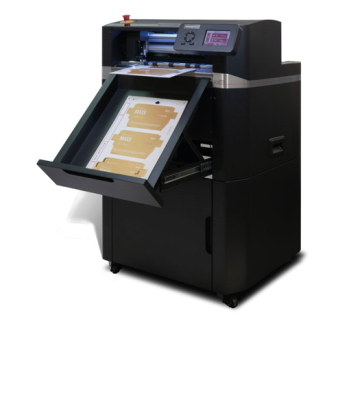
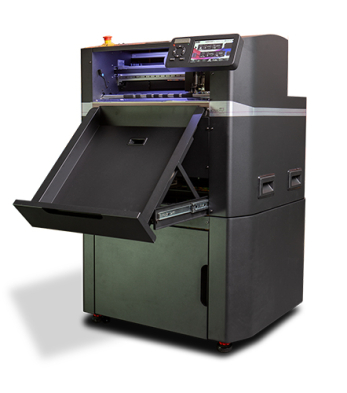
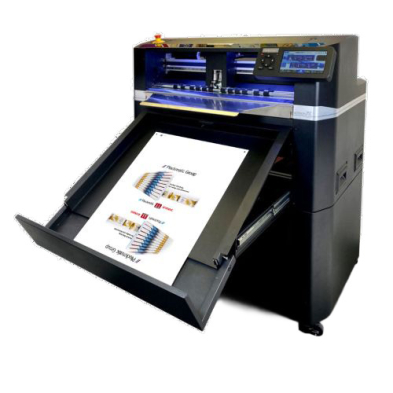
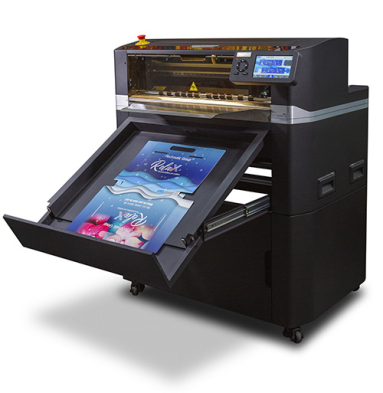
2. Rotary Die Cutters (High-Speed Production) Rotary systems use flexible magnetic dies to process thousands of sheets per hour, optimized for high-volume mailers, door hangers, and playing cards.
- Horizon RD-4055: A heavy-duty industrial solution that can die-cut, crease, perforate, and slit in a single pass at speeds up to 6,000 cycles per hour.
- Martin Yale: Offers entry-level rotary solutions for basic business card and postcard slitting, providing a low-cost path to automated finishing for smaller shops.
Solving Die Cutting Failure Points
Q: How do I avoid the $250 custom die charge for a 50-unit box order? A: Utilize a digital flatbed like the Cutworx Eclipse 1007. Because it uses a digital cut path (DXF or PDF), you can go from design to finished product in minutes with zero tooling costs, making ultra-short-run packaging highly profitable.
Q: Can I die-cut and crease digitally printed sheets without toner cracking? A: Yes. Both the Morgana and Cutworxsystems utilize specialized creasing wheels that compress paper fibers rather than stretching them. This ensures that even heavy toner coverage on a fold remains intact and professional.
Q: What is the benefit of a "Magnetic Die" on the Horizon RD-4055? A: Magnetic dies are significantly cheaper and easier to store than traditional wood-base dies. They can be changed in under 2 minutes, allowing the Horizon RD-4055to maintain high-volume throughput while still being efficient for jobs as small as 500 pieces.
Technical Specification Matrix
|
Feature |
Cutworx Eclipse 1007 |
Horizon RD-4055 |
|---|---|---|
|
Technology |
Digital Flatbed |
Rotary Magnetic |
|
Max Speed |
47.2"/sec |
6,000 cycles/hr |
|
Tooling Cost |
$0 (Digital File) |
Low-Cost Flexible Die |
|
Max Thickness |
16mm (0.63") |
0.5mm (0.020") |
|
Best For |
Packaging / Prototypes |
High-Volume Mailers |
Critical Risk Assessment
While digital die cutters like the Cutworx Eclipse offer unmatched flexibility for custom shapes, they are gantry-based systems; as complexity increases, the linear cutting speed per sheet decreases. For shops running 10,000+ repetitive items like door hangers, a rotary system like the Horizon RD-4055 is essential to avoid a massive finishing backlog. Conversely, relying solely on rotary die cutting limits your shop to "standard" shapes due to the lead time and cost of ordering flexible dies for every unique customer request. Over-specifying with an industrial Horizon unit for a shop that primarily does 10-unit mockups will lead to an unsustainable ROI due to the cost of dies.